Basement Waterproofing Solutions for Finished Basements
People seeking basement waterproofing solutions for finished basements aim to prevent water damage and mold, with local contractors ready to provide effective, professional assistance.
Finished basements can be a valuable extension of living space, but moisture issues and water intrusion can pose significant challenges. If you're experiencing dampness, musty odors, or visible signs of water, exploring basement waterproofing solutions for finished basements is a practical step to protect your home and enhance comfort. Local contractors who specialize in basement waterproofing understand the unique demands of properties in the area and can provide tailored solutions to keep your basement dry and inviting.
Property owners often consider waterproofing for finished basements to prevent structural damage, avoid costly repairs, and maintain a healthy living environment. Whether dealing with minor leaks or persistent seepage, connecting with experienced service providers can help identify effective strategies for your specific needs. Keep reading to learn more about the options available and how local experts can assist in safeguarding your basement space.
- Homeowners noticing dampness or water intrusion in their finished basements often seek basement waterproofing solutions, which local contractors address with tailored sealing and drainage systems. - When finished basements develop mold or musty odors, local service providers can implement waterproofing measures to prevent moisture buildup and protect interior spaces. - Foundations showing signs of cracks or seepage may require waterproofing to ensure the stability of finished basement areas, with local pros offering specialized repair techniques. - If a basement has experienced flooding or persistent dampness, local contractors can install waterproof barriers and sump pumps to safeguard the finished space from future water damage. - Homeowners planning renovations that include finishing a basement often consult local service providers for waterproofing solutions to create a dry, durable environment.
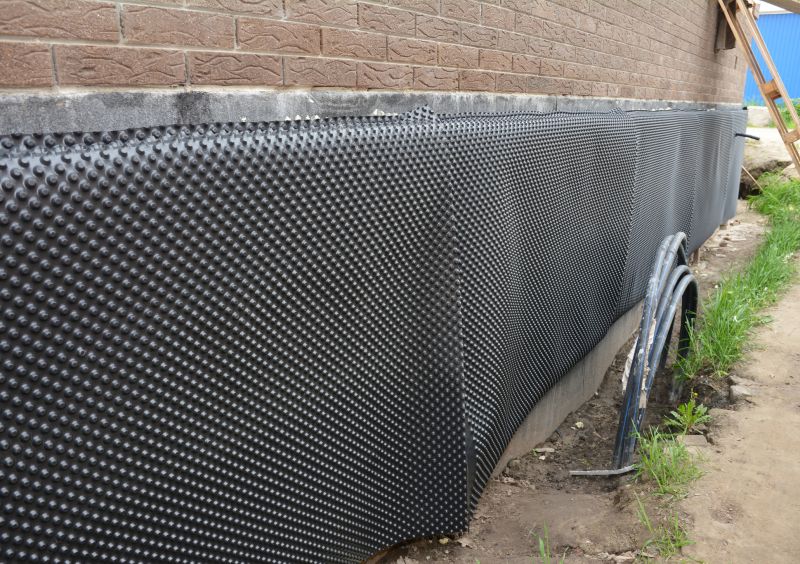
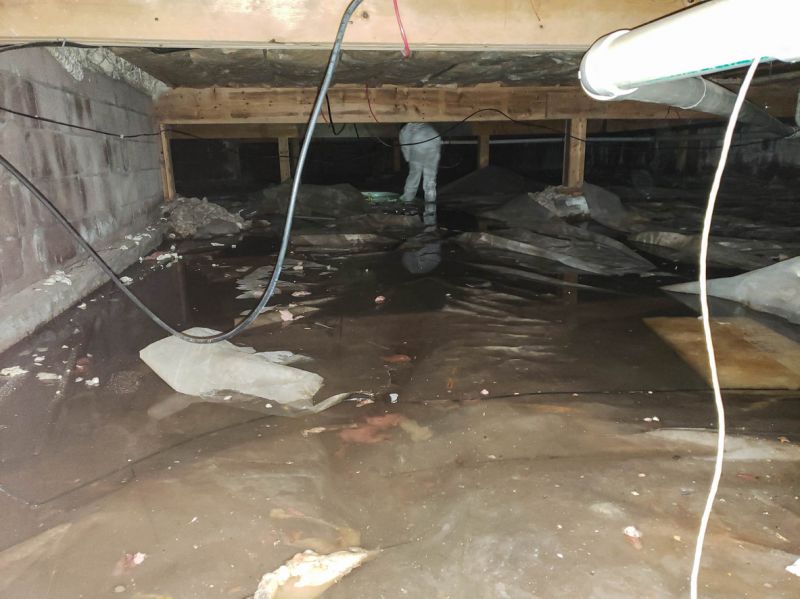
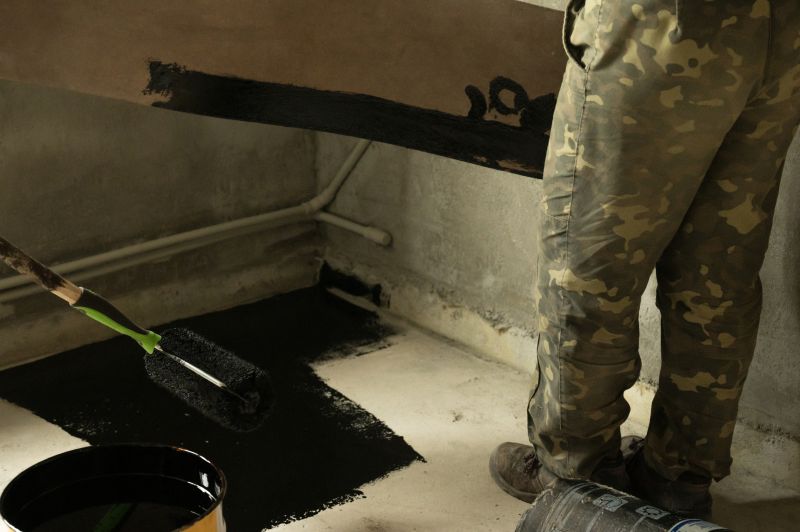
When searching for basement waterproofing solutions for finished basements, homeowners are typically looking for ways to prevent or address water intrusion that can compromise their living space. Many people associate this topic with issues like dampness, standing water, or mold growth, which often result from leaks, cracks, or poor drainage around the foundation. These concerns are especially relevant in areas prone to heavy rainfall, fluctuating temperatures, or high groundwater levels. Homeowners may also be planning to remodel or upgrade their finished basements and want to ensure that their investments are protected from future water damage, making waterproofing an essential part of their project planning.
The problems tied to basement waterproofing solutions for finished basements often stem from structural vulnerabilities or environmental factors. Common issues include seepage through foundation cracks, condensation buildup, or inadequate drainage systems that cause water to collect and pool. These problems can lead to hidden damage, such as rotting framing or deteriorating drywall, which can compromise the integrity of the finished space. Many property owners are also considering waterproofing as a preventive measure when they notice early signs of moisture or water stains. Planning for waterproofing often involves evaluating the existing foundation, drainage setup, and ventilation to develop a comprehensive approach that keeps the basement dry and healthy.
Properties that typically come up in discussions about basement waterproofing solutions for finished basements include both older homes with aging foundations and newer constructions that may have installation issues. Residential properties with basements below ground level are the most common candidates, especially those situated in regions with high water tables or frequent rainfall. Additionally, homes built on slopes or with poor exterior drainage are at increased risk of water infiltration. Commercial buildings and multi-family residences may also require waterproofing to protect shared living or working spaces. In all cases, local contractors experienced in basement waterproofing can assess the unique conditions of each property and recommend effective solutions tailored to its specific needs.
Ultimately, basement waterproofing solutions for finished basements are about more than just preventing water intrusion-they are part of a broader effort to maintain a safe, comfortable, and durable living environment. Homeowners often turn to local service providers who specialize in waterproofing to evaluate their spaces, identify vulnerabilities, and implement appropriate measures such as interior sealants, exterior drainage improvements, or sump pump systems. These professionals understand how different property types and environmental factors influence waterproofing strategies. Connecting with experienced local contractors ensures that projects are handled efficiently and effectively, helping homeowners protect their finished basements from water damage and preserve the value of their homes.
Foundation Repair - foundation repair projects often involve waterproofing techniques to stabilize and protect basement structures from moisture intrusion and water damage.
Interior Drainage Systems - installing interior drainage systems requires similar planning and tools to manage water flow and prevent basement flooding in finished spaces.
Basement Wall Sealing - wall sealing projects focus on stopping water seepage through basement walls, aligning closely with waterproofing solutions for finished basements.
Waterproof Wall Coatings - applying waterproof coatings on basement walls involves similar surface preparation and application methods used in basement waterproofing services.
Sump Pump Installation - sump pump projects are often part of comprehensive waterproofing systems to remove water and keep finished basements dry.
Moisture Control Solutions - moisture control projects, such as vapor barriers and dehumidification, complement basement waterproofing efforts in finished basement environments.
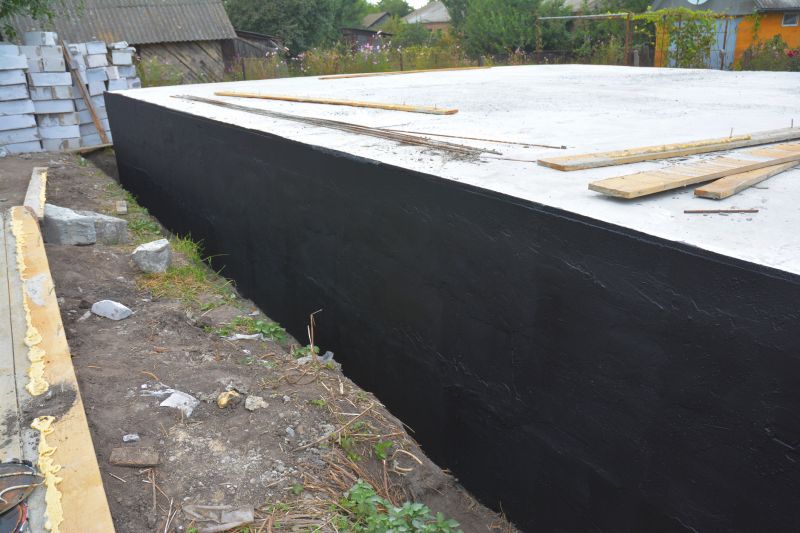
When evaluating service providers for basement waterproofing solutions for finished basements, it is important to consider their experience with similar projects. A contractor’s familiarity with waterproofing techniques tailored to finished spaces can impact the effectiveness and longevity of the solution. Homeowners should inquire about the types of projects the contractor has completed, paying attention to those that resemble their own basement’s layout and issues. This background can provide confidence that the contractor understands the unique challenges of waterproofing a finished basement and can recommend appropriate approaches.
Clear written expectations are essential to ensure that both the homeowner and the service provider are aligned on the scope of work, materials used, and the desired outcomes. A reputable contractor will be able to provide detailed descriptions of the waterproofing process, including any necessary preparations, potential limitations, and ongoing maintenance considerations. Having this information in writing helps prevent misunderstandings and ensures that the homeowner has a comprehensive understanding of what the project entails before work begins.
Reputable references and strong communication are key indicators of a reliable service provider. Homeowners should seek out local contractors who can provide references from past clients with similar basement waterproofing projects. Speaking with previous customers can reveal insights about the contractor’s professionalism, quality of work, and ability to address concerns promptly. Additionally, a contractor’s responsiveness and clarity during initial discussions can reflect their overall communication style, which is vital for a smooth project experience and successful completion of waterproofing solutions for finished basements.
Property owners often search for basement waterproofing solutions for finished basements when they are planning practical projects around their homes and businesses. Local pros provide Basement Waterproofing Solutions services for everyday jobs and straightforward project options.
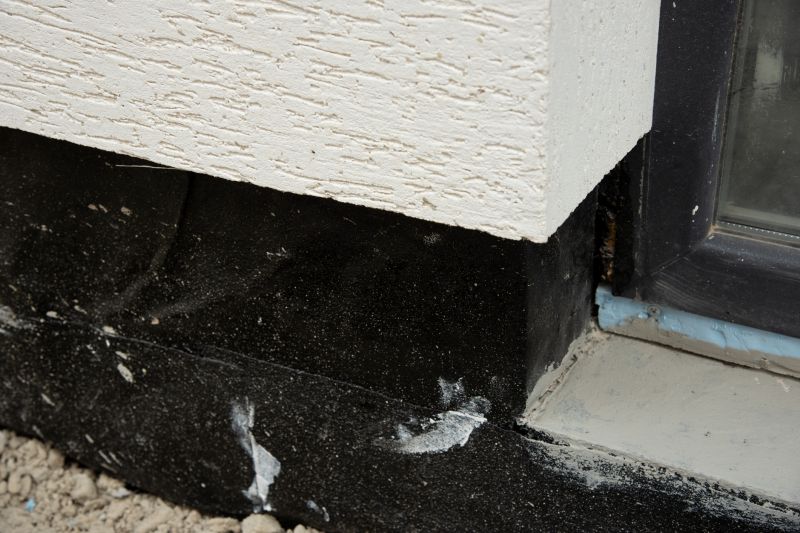
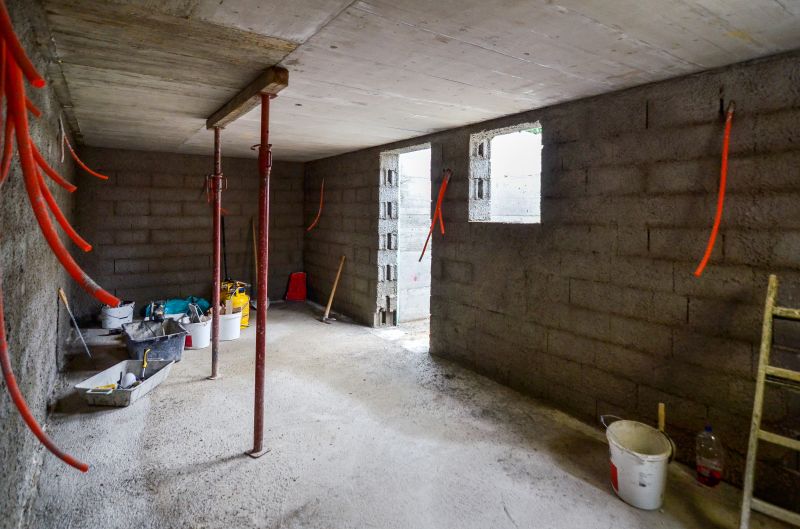
Homeowners with finished basements often wonder about basement waterproofing solutions when they notice signs of dampness, musty odors, or minor leaks. These issues can develop gradually, especially in areas prone to heavy rainfall or with high groundwater levels, making it important to address them before they worsen. Local contractors who specialize in basement waterproofing can assess the specific needs of a finished basement and recommend appropriate solutions to keep the space dry and comfortable, helping property owners protect their investment and enjoy their living space without worry.
Many property owners seek out basement waterproofing services after experiencing water intrusion during storms or after heavy snow melts. Even small leaks or persistent moisture problems can lead to mold growth or damage to finished surfaces if left unaddressed. Local service providers are equipped to handle a variety of waterproofing methods tailored to finished basements, ensuring that the work integrates seamlessly with existing finishes. Connecting with experienced contractors can provide peace of mind that the basement remains a dry, usable part of the home for years to come.
What are common basement waterproofing solutions for finished basements? Common solutions include interior waterproofing methods such as sealing walls with waterproof coatings, installing drainage systems like interior drain tiles, and applying vapor barriers to prevent moisture buildup.
Can basement waterproofing solutions be integrated into a finished basement? Yes, many waterproofing options are designed to work with finished basements, including interior drainage systems and wall sealants that do not require major renovations.
How do local contractors determine the best waterproofing approach for a finished basement? They assess factors such as the source of moisture, existing basement conditions, and the level of water intrusion to recommend suitable waterproofing solutions tailored to the space.
Are there waterproofing solutions that do not involve extensive demolition in finished basements? Yes, interior waterproofing methods like applying sealants, installing drainage systems, and vapor barriers typically require minimal disruption and are suitable for finished spaces.
What maintenance is needed after waterproofing a finished basement? Maintenance generally includes inspecting drainage systems, checking for signs of moisture or leaks, and ensuring vapor barriers and seals remain intact to keep the basement dry.
Assessing moisture issues - property owners can evaluate signs of dampness or water intrusion in finished basements to determine if basement waterproofing solutions are needed, with help from local contractors.
Choosing appropriate waterproofing methods - homeowners can explore options like sealants, drainage systems, or sump pumps to protect their finished basement spaces, guided by local service providers.
Preparing the space for waterproofing - property owners might clear and clean basement areas to facilitate effective installation of waterproofing systems by experienced local contractors.
Planning for ongoing moisture control - residents can consider incorporating dehumidification or ventilation strategies to maintain a dry environment, with advice from local pros specializing in basement waterproofing solutions.
If you are thinking about basement waterproofing solutions for finished basements for a property, this guide is meant to help you understand this topic, the typical project types, and how different options might fit your plans.
When you are ready, you can use the quote form on this page to share a few details about your project. From there, local pros can review the basics and follow up with options that match what you have in mind.